Understanding Drill Machines: An Informative Overview with Tips, Details, and Advice
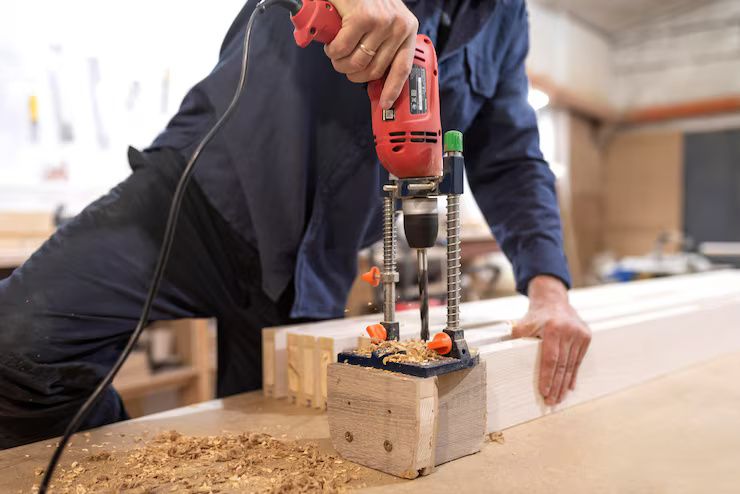
A drill machine is a widely used mechanical tool designed to create holes, drive fasteners, and support numerous construction, fabrication, and maintenance activities. It exists to simplify repetitive manual work and improve precision in tasks requiring controlled rotation and pressure. Drill machines evolved from manual hand drills to modern electric, cordless, and industrial models that support advanced functions such as torque control, speed variation, and material-specific drilling modes.
Today’s drill machines combine engineering principles, ergonomic design, and electrical or battery-powered systems to provide consistent performance. They are used across home improvement, manufacturing, engineering projects, and technical workshops, making them a fundamental part of modern tools and equipment.
Importance
Drill machines matter today because they are essential for assembling structures, maintaining equipment, and performing accurate material modifications. They affect professionals, technicians, engineers, hobbyists, and learners who rely on reliable drilling performance to complete tasks efficiently.
The tool helps solve problems such as uneven drilling, low precision, manual fatigue, and time-consuming mechanical work. By enabling consistent hole dimensions, secure fastener insertion, and controlled material shaping, drill machines support both small-scale tasks and large industrial operations. Drill machines also contribute to safety and quality, particularly in technical fields where measurement accuracy and material integrity are critical.
Recent Updates
Recent developments in drill machines during 2024–2025 show trends toward greater efficiency, portability, and digital integration.
-
In 2024, many manufacturers introduced improved brushless motors, offering enhanced durability and lower heat generation.
-
Cordless drill technology advanced with high-capacity lithium-ion batteries, enabling longer operating cycles and rapid charging systems.
-
New models introduced in early 2025 include smart monitoring features such as torque feedback indicators and vibration-control mechanisms.
-
Eco-focused design trends emphasize energy-efficient motors, recyclable materials, and reduced noise output.
These updates reflect increased demand for tools that support sustainability, accuracy, and user convenience.
Laws or Policies
Drill machines are influenced by electrical safety rules, workplace equipment guidelines, and manufacturing compliance standards in many countries:
-
Electrical appliances must follow national safety codes such as IS/IEC specifications, ensuring insulation quality, overload protection, and safe wiring.
-
Industrial drill machines are regulated under machinery safety rules requiring appropriate guards, speed controls, and emergency shutoff mechanisms.
-
Battery-powered drill machines must comply with lithium-ion battery handling and transport guidelines to prevent thermal risks.
-
Workplace policies often mandate personal protective equipment (PPE), periodic inspection of tools, and adherence to operational training requirements.
These rules ensure safe operation, reduce hazards, and improve overall equipment reliability.
Tools and Resources
Several helpful tools and resources support learning and working with drill machines:
-
Torque and Speed Calculators for estimating correct drilling settings
-
Material Hardness Charts to select suitable drill bits
-
RPM Conversion Tools for different drilling tasks
-
Workshop Safety Checklists for equipment handling
-
Drill Bit Size Guides for woodworking, metalworking, and engineering applications
-
Mobile Measurement Apps offering angle, depth, and level assistance
-
Basic Templates for maintenance logs and tool inspection records
These resources help beginners and professionals improve precision and operational understanding.
FAQs
1. What is a drill machine used for?
A drill machine is mainly used to create holes, drive screws, and support material shaping tasks in construction, fabrication, and home improvement activities.
2. What types of drill machines exist?
Common types include manual drills, electric corded drills, cordless drills, hammer drills, rotary drills, and industrial drilling units designed for heavy-duty applications.
3. How do I choose the correct drill bit?
Select the drill bit based on the material being drilled—wood, metal, masonry, or plastic—and match it with the recommended size and hardness chart for best performance.
4. Are drill machines safe to use?
Yes, when used with protective equipment such as gloves, goggles, and controlled handling. Reading the safety manual and performing regular tool checks is recommended.
5. What maintenance does a drill machine need?
Typical maintenance includes cleaning dust buildup, checking the chuck, lubricating mechanical parts, inspecting the power cord or battery, and storing the machine in a dry place.
Conclusion
Drill machines remain essential tools for technical tasks, engineering work, and everyday home projects. Their importance continues to grow as new innovations improve accuracy, safety, and user efficiency. Understanding their functions, updates, safety policies, and helpful resources allows users to operate them confidently and effectively. With reliable information and practical insights, anyone can learn how drill machines support modern operations across industries and general applications.