Stainless Steel Overview: Explore Key Facts, Insights, and Practical Knowledge
Stainless steel is a widely used alloy known for its resistance to corrosion, strength, and durability. It exists because many industrial, domestic, and infrastructure applications require materials that can tolerate moisture, extreme temperatures, chemicals, and continuous use without degrading quickly. Developed in the early 20th century, stainless steel became essential as industries searched for metals that maintain appearance and performance over long periods.
The material is created by combining iron with chromium, nickel, carbon, and other elements, depending on the desired characteristics. The chromium content forms a protective layer that prevents rust, giving stainless steel its notable resilience. Today, stainless steel is used in construction, food processing, machinery, medical tools, transportation, and countless everyday objects, making it one of the most versatile materials available.
Importance
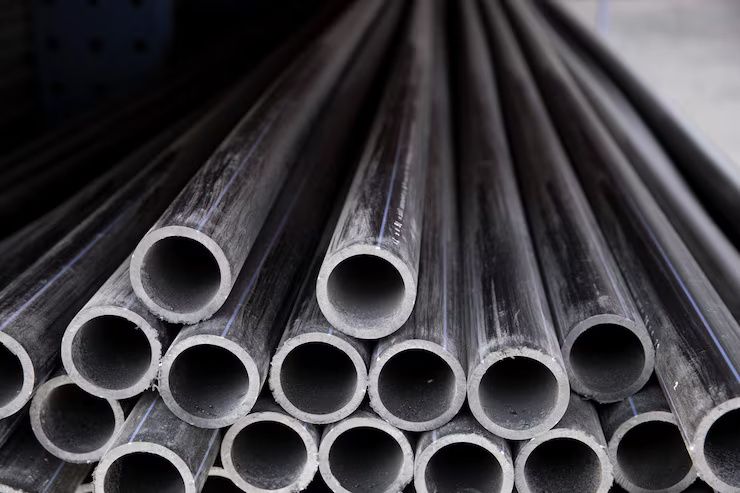
Stainless steel matters today because modern industries need materials that balance long-term performance with safety, efficiency, and environmental compatibility. Its corrosion resistance protects equipment and structures from damage, which reduces downtime, prevents failures, and promotes reliability.
It affects sectors such as engineering, architecture, manufacturing, healthcare, automotive, and energy systems. In food and pharmaceutical environments, stainless steel helps maintain hygiene and quality standards, as it does not contaminate products. In construction and transportation, it offers strength-to-weight advantages that support efficiency and durability.
Stainless steel also plays a vital role in sustainability. Many grades are recyclable, helping industries reduce waste and conserve natural resources. Its long lifespan further decreases the need for frequent replacements, supporting long-term environmental goals across multiple sectors.
Recent Updates
Recent years have seen notable developments in stainless steel production, innovation, and global usage.
• 2024–2025 advancements highlight increased research into low-carbon stainless steel manufacturing, improving energy efficiency and lowering environmental impact.
• Many producers adopted advanced melting technologies (2024) to reduce emissions and enhance alloy purity.
• Global demand increased in late 2023–2024, especially in renewable energy sectors where stainless steel is used in wind turbines, hydrogen storage systems, and solar infrastructure.
• New trends also include smart coatings, improved heat-resistant grades, and enhanced recyclability standards introduced by organizations in 2024.
A noticeable shift has emerged toward using stainless steel in green buildings, electric vehicles, and sustainable food-grade systems, showing a transition toward more efficient materials for modern environments.
Laws or Policies
Stainless steel production and usage are influenced by multiple national and international policies, particularly in areas related to quality, environmental impact, and workplace safety.
• Material Standards: Many countries follow established guidelines such as IS Standards (India), ASTM Standards, and ISO regulations that ensure stainless steel meets required chemical composition and performance criteria.
• Environmental Regulations: Policies governing emissions, recycling, and waste reduction shape how stainless steel is manufactured. Many regions implemented stronger emission-control requirements in 2023–2024, pushing industries toward cleaner production methods.
• Food and Health Regulations: Food-grade stainless steel must comply with hygiene standards enforced by food safety authorities to ensure it does not react with consumable products.
• Construction Codes: Buildings and infrastructure rely on regulated stainless-steel grades to ensure structural safety, corrosion resistance, and long-term performance.
These policies provide consistency, safety, and environmental accountability across industries that rely on stainless steel.
Tools and Resources
Several tools and resources help professionals or learners understand and evaluate stainless steel for different applications. These resources support material selection, grade comparison, and performance assessment.
Useful Tools and Resources
-
Material Grade Comparison Charts – Helps compare different grades like 304, 316, 410, and duplex varieties.
-
Corrosion Resistance Calculators – Assists in predicting how materials behave in various environments.
-
Mechanical Property Databases – Provides details on tensile strength, elongation, hardness, and weldability.
-
Manufacturing Handbooks – Offers practical knowledge on fabrication, machining, and finishing techniques.
-
Thermal Expansion Calculators – Useful for engineering applications involving temperature changes.
-
Industry Standards (ISO, ASTM, IS) – Offer clarity on compliance and material requirements.
These tools assist engineers, researchers, students, and technical professionals in making informed material decisions
FAQs
1. What makes stainless steel different from regular steel?
Stainless steel contains chromium, which forms a protective layer that prevents rusting and corrosion. Regular steel typically lacks this resistance and is more prone to oxidation.
2. Which stainless-steel grade is most commonly used?
Grade 304 is the most widely used due to its balance of corrosion resistance, strength, and workability. It is commonly found in kitchen equipment, food processing, and general fabrication.
3. Is stainless steel recyclable?
Yes, stainless steel is fully recyclable. A significant portion of stainless steel produced today includes recycled scrap, making it a sustainable material choice.
4. Why is stainless steel used in food and medical applications?
It does not react with substances, maintains hygiene, withstands cleaning chemicals, and remains durable under frequent use, making it ideal for sanitary environments.
5. Does stainless steel resist heat?
Certain grades offer excellent heat resistance, especially those used in automotive, aerospace, and industrial furnace applications. Heat-resistant properties depend on alloy composition.
Technical Comparison Table
| Grade | Key Properties | Common Uses | Corrosion Resistance |
|---|---|---|---|
| 304 | Versatile, good weldability | Kitchenware, structures | High |
| 316 | Added molybdenum for strength | Marine, chemical plants | Very High |
| 410 | High hardness | Tools, fasteners | Moderate |
| Duplex | High strength, two-phase structure | Offshore, pipelines | Very High |
Conclusion
Stainless steel continues to be one of the most valuable materials across industries due to its strength, durability, hygiene, and corrosion resistance. Its importance increases as modern infrastructure, renewable energy systems, and manufacturing sectors seek reliable and sustainable materials.
Recent advancements show clear movement toward environmentally conscious production processes, improved alloy designs, and broader application in emerging technologies. With well-established standards, safety regulations, and accessible tools for evaluation, stainless steel remains essential for both everyday use and advanced engineering applications. Its adaptability ensures it will continue playing a major role in shaping safe, efficient, and sustainable environments.