Blower Installation Insights: Explore Key Facts, Understanding, and Helpful Guidance
Blowers are mechanical devices designed to move air or gas at controlled pressures and flow rates. They are used in ventilation, cooling, drying, air handling, dust control, and various industrial, commercial, and residential systems. The concept of blower installation exists to ensure that these devices operate efficiently, safely, and consistently without causing noise issues, energy waste, or equipment strain.
Proper installation practices have developed over time as industries adopted air-movement technologies for manufacturing processes, HVAC systems, and environmental control. As equipment designs have evolved, so have the methods used to mount, align, balance, and integrate blowers into mechanical systems. Today, blower installation requires a combination of mechanical understanding, airflow knowledge, safety awareness, and adherence to local standards.
Importance
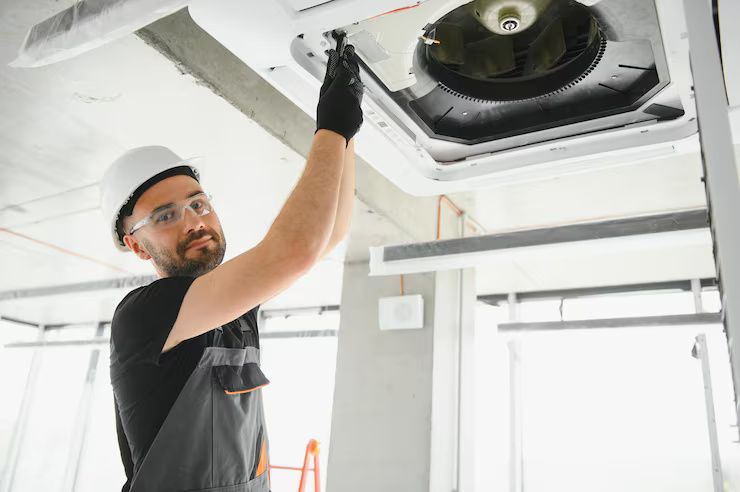
Blower installation matters because incorrect setup can lead to performance losses, overheating, vibration, noise problems, and energy inefficiency. A well-installed blower supports smoother airflow, stable pressure control, and longer equipment life. This directly affects industries such as manufacturing, food processing, chemical plants, data centers, HVAC operations, and agricultural systems.
For facilities that depend on continuous airflow, installation quality influences operational reliability. Even small installation errors — such as misalignment or inadequate mounting — can lead to operational interruptions or premature component wear. For residential applications, such as air-handling units, proper installation helps maintain indoor comfort and energy efficiency.
The topic also matters for environmental and workplace safety. Correct airflow supports better ventilation, reduces exposure to airborne particles, and helps maintain acceptable indoor air quality. In industrial environments, compliant installation helps maintain regulated conditions, such as dust-collection airflow or temperature-controlled zones.
Blower installation continues to be relevant as newer equipment becomes designed with advanced energy-efficient motors, smart sensors, and noise-reduction technologies, all of which benefit from accurate installation practices.
Recent Updates
Recent trends in blower installation reflect growing demand for energy-efficient and low-noise systems, especially in the past year. Through 2024 and 2025, many manufacturers have shifted toward electronically commutated motors (ECMs), which improve airflow control and reduce energy consumption. These systems require precise installation to fully utilize variable-speed capabilities.
Another notable update is the increased integration of monitoring technologies such as vibration sensors, temperature sensors, and remote-diagnostic tools. These advancements help detect alignment issues earlier, making installation quality even more important.
Sustainability initiatives introduced during 2024 emphasized improving airflow efficiency in industrial and commercial buildings. Blower installation practices now increasingly consider duct optimization, sealing improvements, and reduced leakage to meet stricter environmental targets.
Noise-reduction measures have also evolved. Between 2023 and 2024, new acoustic-optimized blower housings and vibration-damping mounting technologies became more widely adopted. These updates emphasize careful installation to ensure that acoustic features function as intended.
Smart-building systems have influenced blower installation too. More buildings added digital airflow controllers in 2024, requiring accurate setup so that automated systems can maintain pressure balance across different zones.
Laws or Policies
Blower installation is affected by regulations related to safety, energy efficiency, and environmental performance. Requirements vary by country, but several common themes are seen across global standards.
Safety regulations typically outline guidelines for electrical connections, grounding practices, mechanical mounting, and the use of protective covers or guards around rotating components. Many countries adopt codes that regulate fan and blower installations in commercial buildings, including clearance requirements, ventilation pathways, and safe access for maintenance.
Energy-efficiency policies influence blower installation as well. Some regions follow minimum efficiency performance standards for motors, which indirectly guide how blowers must be installed to meet expected performance benchmarks. These rules encourage optimized airflow pathways, minimized leakage, and proper system balancing to avoid unnecessary power consumption.
Environmental rules aim to reduce dust, fumes, and emissions in industrial facilities. Blower installations in dust-collection systems, chemical handling areas, and fume-extraction setups often need to comply with airflow rates specified in safety guidelines.
Building codes in many countries also outline ventilation expectations for workplaces, homes, and public buildings. Since blowers play a role in meeting these requirements, installation practices must align with local building standards, airflow rating requirements, and equipment labeling guidelines.
Tools and Resources
Several tools and resources help individuals understand blower installation and perform assessments or planning more effectively. These include:
-
Airflow measurement tools such as anemometers, manometers, and flow hoods for checking airflow direction and volume.
-
Alignment tools that help ensure the blower shaft connects properly to belts, pulleys, or couplings.
-
Vibration meters for evaluating mounting stability and detecting imbalance issues.
-
Motor-configuration resources such as wiring diagrams, performance curves, and motor-speed reference sheets.
-
Technical guides from blower manufacturers that explain recommended mounting, ducting, and sealing practices.
-
Digital resources like airflow-calculation apps, maintenance-logging apps, and basic static-pressure calculators that help evaluate installation effectiveness.
-
Instructional materials that describe noise-control strategies, airflow optimization, and energy-efficient setup methods.
These resources help users achieve safer and more effective installations while maintaining compliance with airflow and safety requirements.
FAQs
What is the purpose of blower installation?
Blower installation ensures the equipment moves air or gas efficiently, safely, and with minimal noise or vibration. Proper installation supports consistent airflow and increases equipment reliability.
Why does improper blower installation cause noise or vibration?
Misalignment, inadequate mounting, or unbalanced components can create vibration or noise. Correct installation helps stabilize the blower and ensures smoother airflow.
Do different blower types require different installation methods?
Yes. Centrifugal, axial, regenerative, and mixed-flow blowers each have specific mounting, ducting, and airflow requirements. Installation methods vary based on housing design and intended application.
How does blower installation affect energy efficiency?
Accurate mounting, duct alignment, and airflow balancing reduce resistance and leakage, allowing the blower to achieve the desired performance with less energy use.
Are there guidelines for blower installation in ventilation systems?
Most countries follow building codes and safety regulations that outline ventilation setup requirements, including airflow rates, equipment spacing, and safe access for inspection.
Conclusion
Blower installation is a crucial process that influences airflow efficiency, equipment performance, and environmental conditions across a wide range of applications. With growing emphasis on energy efficiency and modern technologies such as smart controls, the importance of proper installation continues to increase. Understanding installation principles, following regulations, and using appropriate tools helps achieve reliable performance and ensures that blowers contribute effectively to ventilation, cooling, dust control, and industrial processes.
Accurate blower installation supports safer environments, better airflow management, and longer equipment life. As innovations continue in both equipment design and airflow optimization strategies, having clear knowledge about installation practices remains valuable for anyone working with air-movement systems.